Powering biology’s century. 
Built on one accountable system.

Lindus is designed to close the accountability gaps that delay trials and derail budgets.

Because the pace of biology depends on the reliability of how trials are run.

Mission

Why Lindus exists

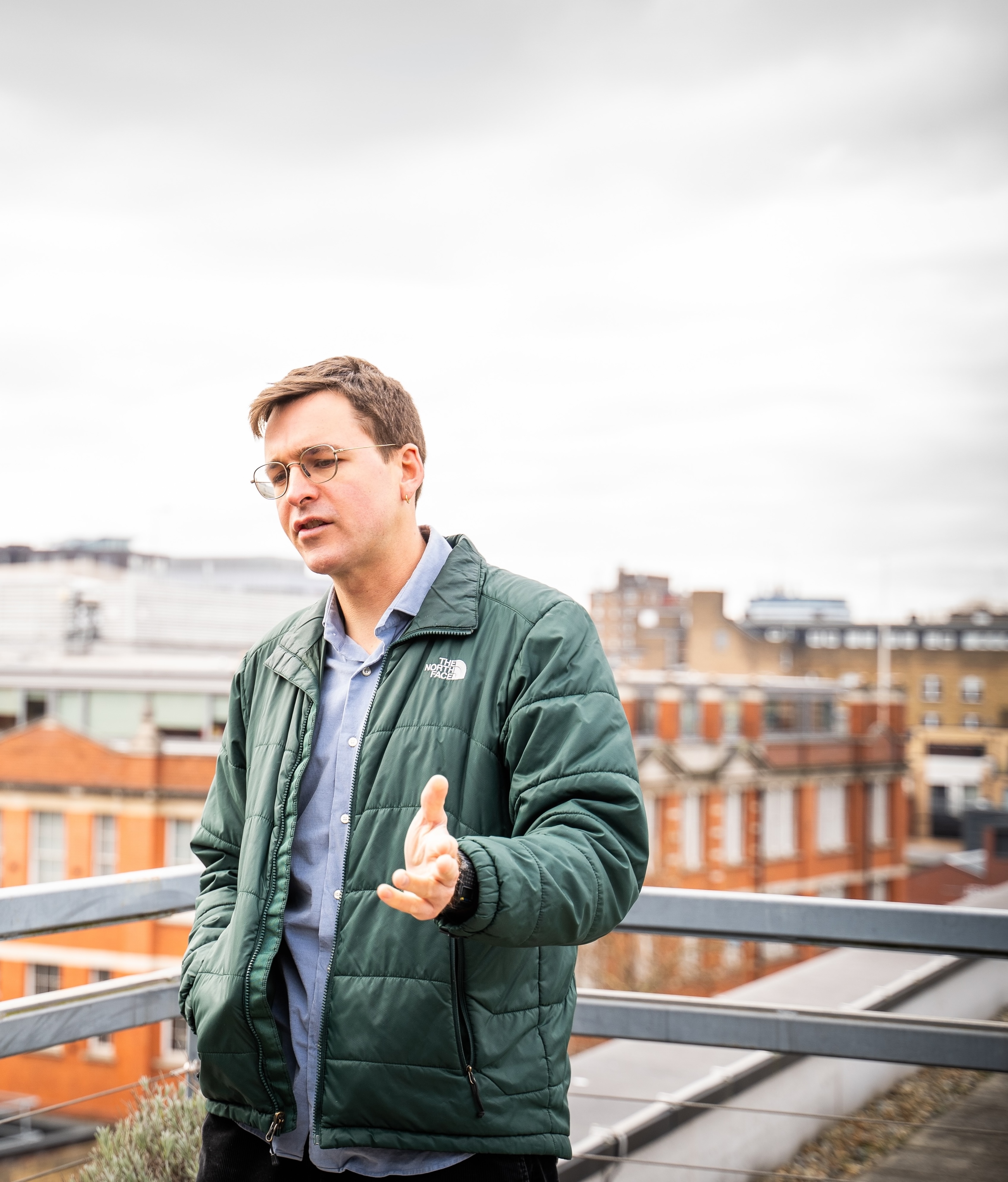
Meri Beckwith and Michael Young, Co-CEOs, founded Lindus from the same diagnosis, each from a different vantage point in the industry.

Meri spent years as a venture capital investor backing life sciences and healthtech companies. From the boardroom, he saw clinical trials consistently miss timelines and budgets. As a participant in a COVID-19 vaccine trial, he observed the same issues within the system: fragmented technology, poor patient experience, and operational failures at the site level. These were not isolated breakdowns. They were the predictable result of an operating model in which responsibility is distributed across multiple vendors, with no single organization accountable for the outcome.

Michael worked on life sciences research and commercialization strategy at McKinsey and L.E.K., before joining 10 Downing Street as a Special Adviser to the UK Prime Minister. During COVID-19, he saw how trial delivery depended on infrastructure that was slow to coordinate, fragmented across stakeholders, and difficult to direct in real time. He arrived at the same conclusion: the industry lacked an operating model engineered to own delivery, rather than manage toward it.

They founded Lindus on that conviction. When responsibility for a trial is spread across enough organizations, accountability diffuses.

An accountable operating model

Clinical trials should be designed as accountable systems from the start

We believe that delivering clinical trials on time and on budget requires three elements: unified infrastructure, aligned incentives, and integrated execution. When these elements sit within a single operating model, risks surface early enough to act on. Timelines hold. Sponsors move from coordinating vendors to operating a single system.

That's what an Accountable Research Organization looks like.

Three commitments that define an accountable research organization

Lindus introduced the ARO category to describe an operating model built around integrated accountability for trial delivery.

Three commitments define it:
1

Aligned incentives

Performance-based contracts align incentives with milestone delivery. Sponsors have a pre-agreed cost structure, with payments triggered by milestone completion.

2

End-to-end accountability

One integrated team owns protocol design, patient identification and enrollment, site operations, and data management. No vendor hand-offs across trial stages. A single operating team is accountable from initial protocol design through database lock.

3

AI-native operating infrastructure

An AI-native trial operating system integrates recruitment, operations, and data into a single infrastructure. Each trial contributes additional data and operational feedback, improving system performance and reducing variance in

Our name

Why Lindus

Lindus BG Image

We are named after James Lind, a Scottish physician who conducted the first controlled clinical trials in history. He demonstrated in 1747 that citrus fruit cured scurvy.

James Lind refused to accept a status quo in which 40% of sailors died of scurvy on long sea voyages. Like him, we do not accept the current standard for clinical research.

The orange and the lemon in our logo are a reminder that rigorous evidence, collected systematically and acted on, reduces uncertainty and improves outcomes in medicine.

Confidence and control over trial timelines and budgets come from an operating model engineered for accountability