
A Fireside chat with Michael Pace, Global Market Access & Reimbursement Expert and CEO of PalmHealthCo
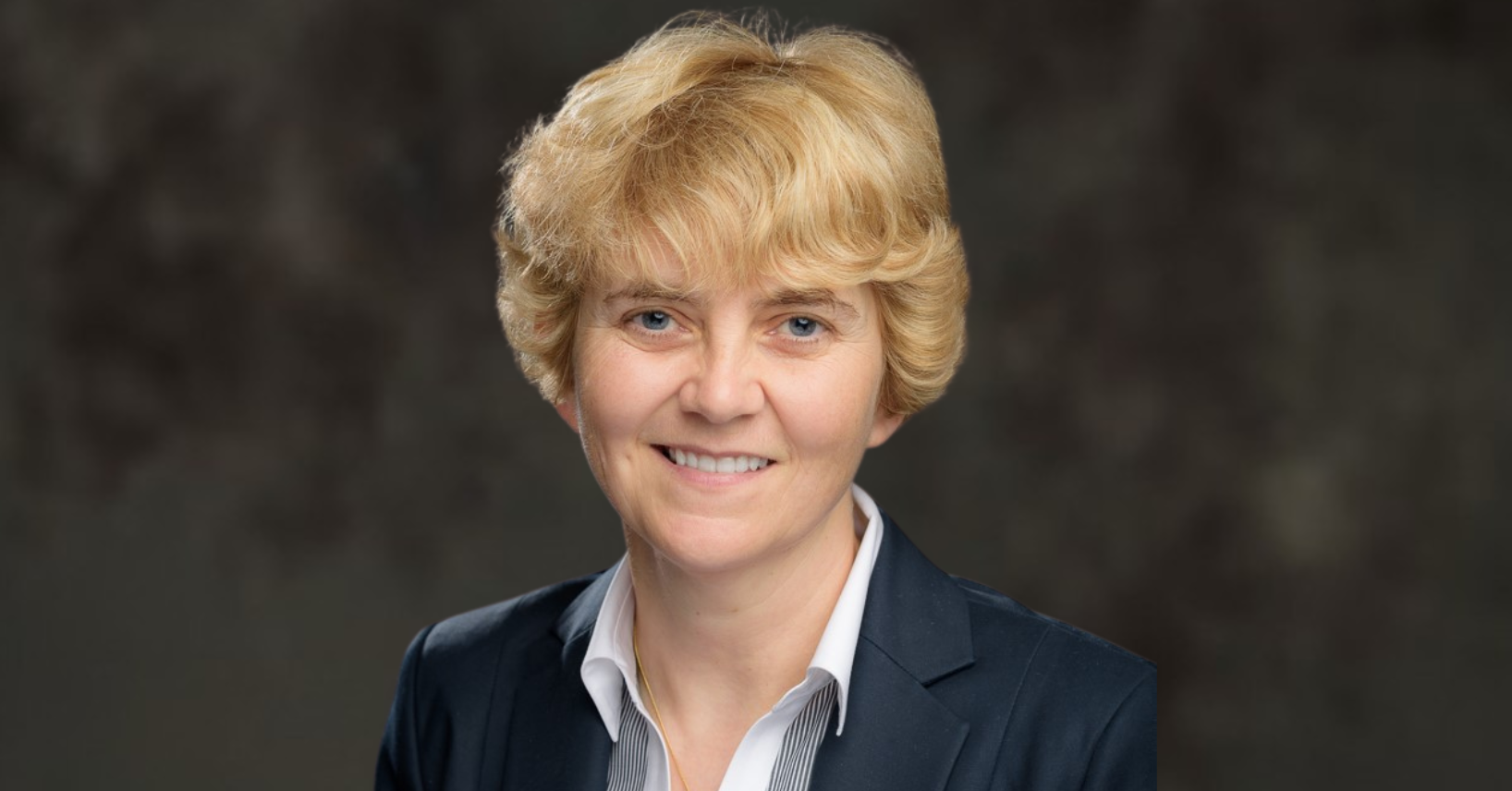
Mike Pace is the founder of PalmHealthCo, where he makes health technology commercialization and market access success feel more like a day at the beach. He previously led market access for Pear Therapeutics, where he secured the first ever US payor coverage of a digital therapeutic product.
Mike was kind enough to stop by our virtual fireplace and share tips on how to achieve payor reimbursement for DTx products, encourage adoption among clinicians and the most attractive international markets for DTx reimbursement.
It's the start of a new year. Thinking back to when you started PalmHealth at the start of 2021, how has the adoption of DTx played out vs your expectations?
Well, expectations are always further ahead than reality! Part of this is driven by really high stakeholder expectations in terms of evidence, but we’re also seeing lots of noise and lower quality solutions polluting the picture. We’re of course making progress, particularly in segments of the market like virtual care.
The number of DTx products listed in Germany via DiGA seems to have accelerated, with 6 new DTx products listed within the last month or so. What do you think is driving this acceleration?
Germany’s DiGA provides a transparent framework for a path to market, reimbursement and prescription. This is unique and makes it an extremely attractive way to bring DTx products to market. Germany is an increasing focus for US DTx products now, many of whom are choosing Germany as their second launch market. This even applies to German ‘boomerangs’ like Kaia health, who launched in the US first, and now returning to their home market.
Are you optimistic about DiGA as a reimbursement pathway for DTx products?
I am optimistic. Germany is moving towards indication based pricing which I think will be an improvement. Some developers are unhappy with the end net price points being achieved, which are lower than US price points. Then again price points in Germany are also much lower for Pharma products. There are challenges, but it's important to remember that we’re still in the really early days of digital therapeutic reimbursement. Most markets have no pathway whatsoever!
How can companies defend higher pricing and achieve higher pricing post DIGA listing?
It all comes down to making the health economic case. I really think that there are so many ways to make the health economic case that haven’t yet been explored. For instance, more could be done to show how DTx products can uniquely address access constraints and capacity constraints. We should start to see a recognition that DTx can also address issues like physician burnout.
I’d urge everyone to get more creative when it comes to constructing a health economics case. I’m not seeing many sponsors adopt the kind of innovation and creativity that Lindus Health applies to trials.
Approaches like more efficient recruitment, and decentralised designs to enlarge N, and show benefit in a real world setting. Payors love to see duration of effect and durability of effect. Longer endpoint trials are traditionally more costly, but again platforms like Lindus can really help here, using technology like flexible visit scheduling, video calls and reminders to boost adherence long term.
The US and Germany are two of the most well known places to commercialise DTx products. What other countries or markets should DTx entrepreneurs focus on?
In short; other countries with nationwide programmes, where a single point of entry gives you access to a country-sized population. France have announced they will be adopting mechanism similar to DiGA (and already there are several DTx products reimbursed nationally in France via other channels). I’d also highlight Japan, as a great market with a single payor system and sensible regulations. Players like Cureapp have navigated the system successfully. Others in the APAC region like Korea, Singapore are fast followers, as are countries in the Nordics and the Netherlands. Maybe the UK will finally get moving and introduce a national procurement route for DTx (We’re working on it – LH team).
Of course I couldn’t let you go without asking you about clinical trials! Let's say you’re an early stage digital health entrepreneur planning your first pivotal clinical trial. What design tweaks would you suggest to ensure the trial results are interesting to payors?
It’s enormously short sighted to not think about reimburse-ability and payor access when designing any protocol! There are a few simple tweaks that will help your significant trial investment stay relevant for payors. Firstly, ensure your population is broadly representative, across age, ethnicity, states (in the US). Secondly, include as much data captured in a real world setting as possible. Players like Lindus make this easy. Thirdly, the nature of the control (eg Sham app, vs treatment as usual) is less important. What matters is the weight of evidence across all your endpoints. You want the endpoints to tell a consistent story, think how the peer reviewed publication will be read by payors!
One snag for DTx companies post market access has been clinician and physician adoption. How could DTx companies use clinical trial data to persuade ordinary clinicians to prescribe their product over say a standard therapeutic?
Demystify technology, and show how how easy it is to use and adopt! Clinicians have a huge range of attitudes towards technology, but many still associate apps as something for personal rather than medical use. Also anytime that a product uses algorithms, it’s important to try and make any black boxes at least grey. Clinicians really appreciate auditability.
Another big area is developing DTx products with an understanding of how these products will fit into provider and clinician workflows. I’d encourage developers to deeply understand clinician workflows, but also to consider running clinical studies focused on how products are implemented. There are a whole slew of endpoints that haven’t been explored to help make this case. For instance, how does my product change practice patterns, satisfaction with clinicians, clinician productivity?
Overall, the last few months have seen a lot of progress, and I’m excited for what the rest of 2023 brings!
Thanks Mike! Great to catch up as always. We’d encourage any DTx founders or developers at any stage to chat to Mike, and help short circuit their path to reimbursement.
.png)