Accountable Research Organization

Engineered to give you confidence and control over your women's health clinical study

Women's health trials are won and lost before eligible patients are found.

Structural underdiagnosis, polypharmacy masking eligibility, and protocol demands that conflict with postpartum and reproductive realities create a system where eligible women never enter the funnel, or drop out before the evidence is captured.

Lindus integrates EHR-based identification across non-specialist settings, concierge support through washout and procedurally demanding protocols, and continuous oversight into a single operating model built around how this population moves through care.

Challenges and strategies in women's health trials

Enrollment success is engineered, not left to chance

Obesity
Vasomotor symptoms
Challenge
Lindus approach

HRT market expansion narrowing the nonhormonal space

Challenge

Expanding ERT indications and rising utilization make it increasingly difficult to justify nonhormonal trial participation. Symptomatic patients already on effective hormonal therapy are unwilling to discontinue, and investigators in ERT-saturated markets resist enrolling into protocols that compete with a well-established standard. The washout-tolerant eligible pool contracts silently.

Lindus approach

Lindus queries 40M+ EHR records to model the size and geographic distribution of ERT-contraindicated and ERT-averse subpopulations before protocol finalization, stress-testing washout viability against real-world prescribing trends. Patient concierge coordinators support identified candidates through washout: managing scheduling, transport, and symptom-rebound guidance to sustain enrollment in a shrinking eligible window.

Off-label polypharmacy masking symptom severity

Challenge

Widespread off-label prescribing of SSRIs, SNRIs, and gabapentinoids for mood and sleep symptoms suppresses vasomotor severity in medical records. Screening queries return artificially mild profiles, and multi-drug washouts required to establish true baseline trigger symptom rebound that patients refuse to tolerate: generating pre-screening attrition and consent refusals.

Lindus approach

Lindus queries documented psychiatric prescribing patterns alongside vasomotor diagnoses across 40M+ EHR records, identifying medication-masking at scale before site referral. AI-assisted screening applies concomitant medication exclusion logic against clinical records rather than self-report. Patient concierge coordinators support candidates through multi-drug washout with scheduled touchpoints and symptom management guidance.

eDiary compliance and pre-screening burden

Challenge

Extended eDiary run-in periods require the very participants experiencing nocturnal episodes to log symptoms consistently despite chronic sleep disruption and cognitive fatigue. Missing entries and underreported awakenings trigger screen failures, forcing sites to over-screen to find eligible participants and consuming coordinator bandwidth on compliance monitoring.

Lindus approach

Lindus pre-qualifies candidates using EHR-based AI screening before the diary run-in opens, directing participants with documented clinical profiles predicting higher completion rates. Citrus ePRO/eCOA deploys automated diary reminders, and centralized real-time monitoring flags compliance gaps same-day for patient concierge follow-up before they become screen failures.

Structural underdiagnosis limits EHR sensitivity

Challenge

System-level barriers prevent routine PPD symptom reporting, leaving the majority of symptomatic women without a formal diagnosis in their records. Standard EHR queries for a PPD diagnosis code miss this population entirely. Sites cannot rely on clinical databases for pre-screening, making proactive identification through non-diagnostic signals a prerequisite for viable enrollment.

Lindus approach

Lindus queries proxy indicators: recent delivery records, postpartum SSRI prescribing, edinburgh postnatal depression scale scores, behavioral health referrals,  across 40M+ EHR records to surface eligible patients who never received a formal diagnosis. Direct-to-patient campaigns extend reach to symptomatic women not yet in any clinical care pathway.

False-positive suicidality safety exclusions

Challenge

Standard depression rating scales capture ego-dystonic intrusive thoughts of infant harm and flag them as active suicidality. Protocols excluding active suicidal ideation trigger automated safety exclusions for low-risk participants, prompting unplanned psychiatric evaluations and trial holds. Investigators face disproportionate workload while genuinely eligible patients are incorrectly disqualified.

Lindus approach

Lindus pre-screens candidates using AI-matched EHR records: diagnosis codes, medication history, clinical notes,  before site referral, reducing unfiltered referrals that generate false safety flags. Centralized real-time monitoring surfaces anomalous AE coding patterns across sites as they emerge, enabling medical monitor intervention before misclassification propagates.

Medication washout and breastfeeding barriers

Challenge

Protocols require washout of antidepressants and anxiolytics while mandating breastfeeding cessation or alternate feeding arrangements. Asking symptomatic mothers to navigate medication withdrawal while caring for a newborn introduces clinical instability. Consent refusal rates are high, and randomization stalls when patients decompensate during washout before baseline assessments are complete.

Lindus approach

Lindus stress-tests washout duration against real-world postpartum prescribing patterns before finalization. Patient concierge coordinators support each participant through washout: arranging childcare, coordinating transport, maintaining check-in contact, and managing stipend disbursement,  directly addressing the logistical compounding that converts clinical burden into withdrawal.

Surgical confirmation requirements limit enrollment

Challenge

Standard care now relies on empirical diagnosis, but protocols requiring historical operative pathology records constrain sites to mining fragmented surgical documentation. Most eligible women lack the requisite operative records, extending recruitment timelines and shifting site feasibility toward specialized surgical centers that cannot support broad enrollment.

Lindus approach

Lindus queries procedure history and operative pathology records across 40M+ EHR records to identify patients with documented surgical confirmation at scale before site referral. This shifts the administrative burden of mining historical records from site coordinators to a centralized pipeline, and patient concierge bridges identified patients into your enrollment funnel.

Medication washouts drive pre-randomization attrition

Challenge

Unmedicated run-in periods force patients to suspend effective hormonal management and endure rebound cyclical pain. Pre-randomization dropout is predictable and high. Rescue medication use during washout adds reconciliation burden and risks confounding the baseline efficacy data that downstream analyses depend on.

Lindus approach

Patient concierge coordinators carry participants through the washout period: managing scheduling around menstrual cycles, coordinating transport, maintaining contact during pain-intensive intervals, and administering stipends. Citrus ePRO/eCOA sustains diary adherence through automated pain-endpoint reminders, preserving baseline data integrity even when rescue analgesia is used.

Central sensitization confounding efficacy signals

Challenge

A subset of endometriosis patients transitions from peripheral nociceptive pain to central sensitization, with nervous systems amplifying signals independently of active lesions. They appear as non-responders to treatments targeting peripheral disease. This hidden variance depresses study power and inflates sample size requirements when not anticipated at the design stage.

Lindus approach

Lindus models the centrally sensitized phenotype distribution using EHR markers: chronic overlapping pain diagnoses, gabapentinoid prescribing trajectories, prior surgical failure patterns,  before protocol finalization. Embedded biostatistics quantifies the endpoint sensitivity impact of different subgroup proportions, enabling stratification decisions grounded in real-world prevalence.

Fragmented diagnostic and care standards

Challenge

Competing frameworks that either merge or separate desire and arousal disorders create fundamentally different patient populations across sites. Regional standard-of-care divergence compounds the baseline mismatch, producing cohort heterogeneity, screen failure cascades, and statistical pooling problems that surface late in development.

Lindus approach

Lindus feasibility-models how different diagnostic frameworks map onto real-world patient populations across your planned geographies before protocol lock, stress-testing whether merged or split inclusion criteria yield a phenotypically coherent cohort. Embedded biostatistics quantifies endpoint sensitivity under heterogeneity scenarios so pooling trade-offs are resolved pre-submission.

Mandated partner co-enrollment requirements

Challenge

Protocols tethering eligibility to a partner's willingness and physiological capability multiply the screening burden for every candidate. Screen failure rates rise due to partner non-compliance or undisclosed dysfunction. Sites manage dual scheduling and consent to randomize one participant, and dependence on a non-enrolled secondary person creates persistent mid-study retention volatility.

Lindus approach

Patient concierge coordinators absorb dual-scheduling and dual-consent coordination: managing transport, appointments, and partner education centrally. Participant pre-screening applies partner-related eligibility criteria to EHR-identified candidates before site referral, so sites work from a pre-qualified pool rather than discovering partner disqualifications at the first in-person visit.

Baseline sexual activity quota thresholds

Challenge

Minimum sexual activity requirements for randomization exclude the most symptomatic patients: those avoiding activity due to pain or distress. For enrolled patients, logging intimate encounters in electronic diaries causes trial fatigue and manufactured entries that compromise data integrity. This structural paradox enrolls less affected populations and erodes the endpoint data your trial requires.

Lindus approach

Lindus queries clinical and prescribing records to identify candidates whose documented profiles suggest higher likelihood of meeting activity thresholds, reducing run-in screen failures. Citrus ePRO/eCOA configures sexual function diary endpoints with sensitively timed automated reminders, while patient concierge provides sustained support to reduce attrition when intimate self-reporting fatigue sets in.

Contraceptive masking and surgical defection

Challenge

Hormonal contraceptives suppress bleeding volume in most primary care-managed patients, masking eligibility. Multi-cycle washouts required to establish true baseline temporarily worsen symptoms, driving pre-screening attrition. Patients who exhaust medical management bypass further options and seek surgery directly, creating a narrow and rapidly closing identification window.

Lindus approach

Lindus queries contraceptive prescribing and surgical referral patterns to identify patients in the window between failed medical management and surgical scheduling. AI-assisted screening pre-qualifies on documented clinical data, and patient concierge coordinators support participants through hormonal washout: managing symptom-worsening periods with proactive scheduling and transport.

Washout periods risking rebound hemorrhage

Challenge

Discontinuing HMB management exposes patients to rebound bleeding, worsening dysmenorrhea, and falling hemoglobin. The prospect of acute hemorrhage drives consent refusal and pre-randomization dropout. Sites face increased monitoring workload for symptomatic pre-randomization patients, and safety threshold failures during washout eliminate otherwise eligible candidates.

Lindus approach

Lindus stress-tests washout duration against real-world HMB prescribing patterns before finalizing. Patient concierge coordinators maintain contact through the washout window, coordinating transport to monitoring visits and managing scheduling around symptom worsening: sustaining attendance through the period when dropout risk peaks.

Menstrual blood loss collection logistics

Challenge

Alkaline hematin endpoints require patients to collect, store, and return used sanitary products over full menstrual cycles. This physical and logistical burden generates trial refusal and early dropout. Biohazardous chain-of-custody requirements narrow your viable site pool to large research centers, increasing the risk of protocol deviations from mishandled collection kits.

Lindus approach

Patient concierge coordinators manage collection logistics directly: scheduling courier pickups, coordinating kit resupply, and administering stipends tied to completed cycles. Decentralized delivery enables at-home collection workflows that open enrollment beyond specialized centers. Citrus ePRO/eCOA prompts collection steps in real time so handling deviations surface before an entire cycle's data is lost.

The acuity-stability enrollment paradox

Challenge

Patients stable enough to complete complex screening frequently fail severity criteria, while those meeting criteria are deteriorating and require emergency stabilization. This structural misalignment produces high screen failure rates, early trial terminations, and difficulty engaging site staff in high-acuity settings where research competes with immediate clinical demands.

Lindus approach

Lindus models preeclampsia presentation patterns and gestational-age severity distributions across 40M+ EHR records to stress-test eligibility windows before activation. Site augmentation deploys virtual coordinators to high-acuity l&d units with protocol familiarity to execute screening within compressed stabilization windows, without depending on a single coordinator's shift availability.

Emergent onset in narrow timeframes

Challenge

Early-onset preeclampsia presents as an acute medical crisis in labor and delivery triage rather than during prenatal visits. Rapid deterioration creates a compressed identification window before premature delivery becomes necessary. Traditional outpatient referral networks miss this population entirely, and by the time clinical suspicion arises the protocol window has often closed.

Lindus approach

Lindus queries documented risk factors: chronic hypertension, prior preeclampsia, abnormal biomarker trajectories,  across 40M+ EHR records to build a prospective at-risk cohort before acute presentation. This enables prenatal provider alerts and pre-positioned site readiness so enrollment capability exists before the window opens rather than being assembled reactively.

Acute consent under cognitive blunting

Challenge

IV magnesium sulfate induces lethargy and blunts cognition during the physiological crisis that defines the enrollment window. Proxy consent with partners adds coordination burden, and rapid off-hours stabilization frequently closes the window before research teams can deploy. Consent refusal rates are structurally elevated and cannot be addressed by standard site-based approaches.

Lindus approach

Site augmentation ensures trained research coordinators are available during the shifts when preeclampsia presentations cluster, including outside standard business hours. eConsent digitizes authorization workflows, enabling remote partner consent and eliminating paper-based overhead so the consent interaction itself does not consume the narrow window that magnesium sulfate leaves.

No items found for this category.

Category
Thank you! Your submission has been received!
Oops! Something went wrong while submitting the form.
Case study

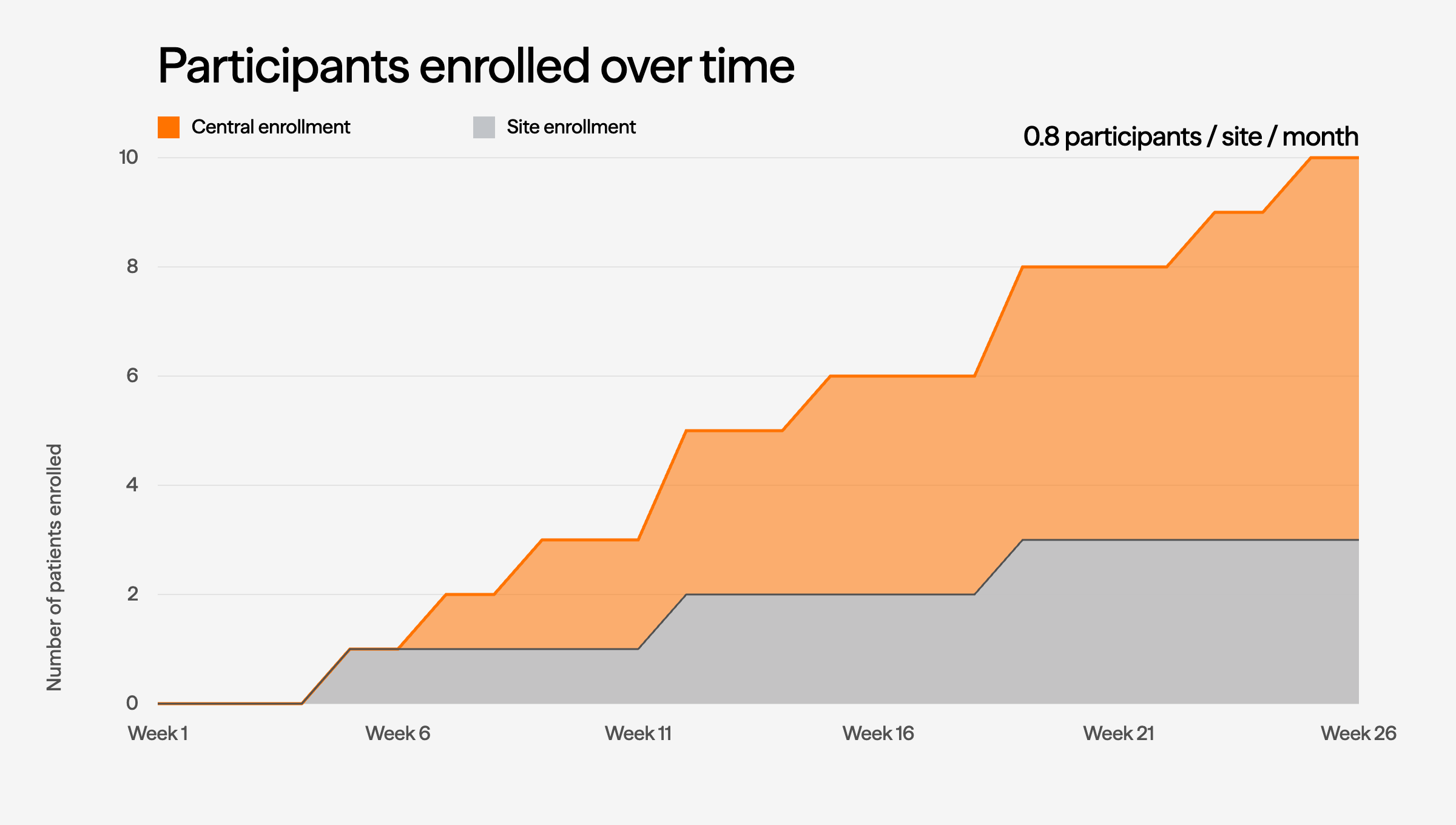
Completed Phase IIa in highly challenging study population thanks to central enrollment, patient concierge services and site support

Graphic Lindus
100%
of participants in remission by EOS and primary endpoint met
70%
Of participants recruited via central enrollment

Geographic footprint

Over 160 full-time staff operating across the US, UK, and Europe, with integrated APAC partnerships. Wherever your trial needs to run, the infrastructure is already in place.

World Map Dark Mode Lindus
Core presence
Integrated partnership
This is some text inside of a div block.

Lorem ipsum dolor sit amet, consectetur adipiscing elit. Suspendisse varius enim in eros elementum tristique. Duis cursus, mi quis viverra ornare, eros dolor interdum nulla, ut commodo diam libero vitae erat. Aenean faucibus nibh et justo cursus id rutrum lorem imperdiet. Nunc ut sem vitae risus tristique posuere.